


Adult Therapy

You can be holdingeverything together andstill not be okay.

You keep working, responding, caring for people and doing what needs to be done. From the outside, you may look capable. Underneath, you may feel anxious, numb, exhausted, disconnected or stuck in patterns you cannot simply think your way out of.

Functioning is not the same as feeling well.

Book a Free Consultation
An adult sitting thoughtfully in a car

Maybe you have become very good at getting through.

  • I understand why I do it. I still keep doing it.
  • I am exhausted from being the capable one.
  • My life looks fine. I do not feel fine.
  • I keep waiting to feel like myself again.

These patterns are not personal failures. They may be ways you learned to survive, stay connected or keep moving when slowing down did not feel possible.

Knowing why is notalways the same asfeeling different.

You may already understand your childhood, your relationships or the patterns you repeat. Insight matters. But change can remain difficult when those experiences also live in emotional responses, protective habits and the nervous system.

Therapy can help connect what you know with what you actually experience.

  1. Notice what happens beneath the automatic response

  2. Understand what the pattern has been protecting

  3. Create room for a different response

What adults come to therapy for

You do not need a diagnosis or a perfectly defined goal before you begin.

  • Anxiety, panic and chronic stress
  • Trauma and complex PTSD
  • OCD and intrusive thoughts
  • Depression, numbness and low motivation
  • ADHD and autistic experiences
  • Grief and loss
  • Burnout and caregiving fatigue
  • Relationship and attachment patterns
  • Self esteem, identity and boundaries
  • Major life transitions
  • Emotional overwhelm and shutdowns
  • Feeling disconnected from yourself

If something keeps asking for your attention, it may be worth listening.

An adult speaking with a therapist during a session

In the Therapy Room

You do not have to bring thepolished version of yourself.

Therapy can be thoughtful and reflective, but it does not have to feel distant or clinical. There is room for silence, uncertainty, humour, emotion and the parts of your experience that feel contradictory.

Your therapist will work collaboratively with you, paying attention to what you say, what becomes difficult to say and what your mind and body may be communicating.

You are not a problem to be solved.

You are a person to be understood.

More Than Managing Symptoms

The goal is not just to cope better with the same pain.

Adult therapy can help you understand where patterns began, how they continue and what you may need now.

Depending on your needs and your therapist’s training, sessions may include emotional processing, body and nervous system awareness, reflection, new relational experiences and practical strategies.

Understand

Make sense of the experiences and protective responses underneath what you feel.

Reconnect

Notice emotions, needs and body signals that have been pushed aside.

Change

Practise responding with more choice, flexibility and self-trust.

The Therapy Overview explains the approaches our clinicians may draw from.

Explore Our Therapeutic Approaches

Change does not have to look dramatic to be meaningful.

  • Noticing the pattern sooner.
  • Setting a boundary without abandoning yourself.
  • Feeling an emotion without being consumed by it.
  • Making choices from the present instead of the past.

Therapy cannot promise a particular outcome. Progress is personal, collaborative and rarely perfectly linear.

What to expect

  1. Free consultation

    A 15 minute conversation to ask questions and explore fit.

  2. Individual sessions

    Typically 50 minutes with a therapist whose approach fits your needs. Extended 80-minute sessions are also available.

  3. Ongoing direction

    Goals are collaborative and can change as therapy progresses.

Virtual therapy is available where clinically appropriate. In person availability varies by clinician and location.

Meet Our Therapists

Meet Our Therapists

Portrait of Anasztázia Mátrai

Anasztázia Mátrai

MACP, B.Sc., RP (Qualifying), CCTP-II Specialist

Founder & Clinical Director

Registered Psychotherapist (Qualifying) | Trauma Therapist

Works with Kids ages 9 to 12 · Teens · Adults · Couples

Areas of support Trauma and complex PTSD · Anxiety · Neurodivergence · OCD

View Profile
Portrait of Anjali Aggarwal

Anjali Aggarwal

MEd, BA, RP (Qualifying), CCC

Registered Psychotherapist (Qualifying)

Works with Adults · Couples

Areas of support Trauma and difficult life experiences · Childhood trauma · Emotional neglect · Relationship challenges

View Profile
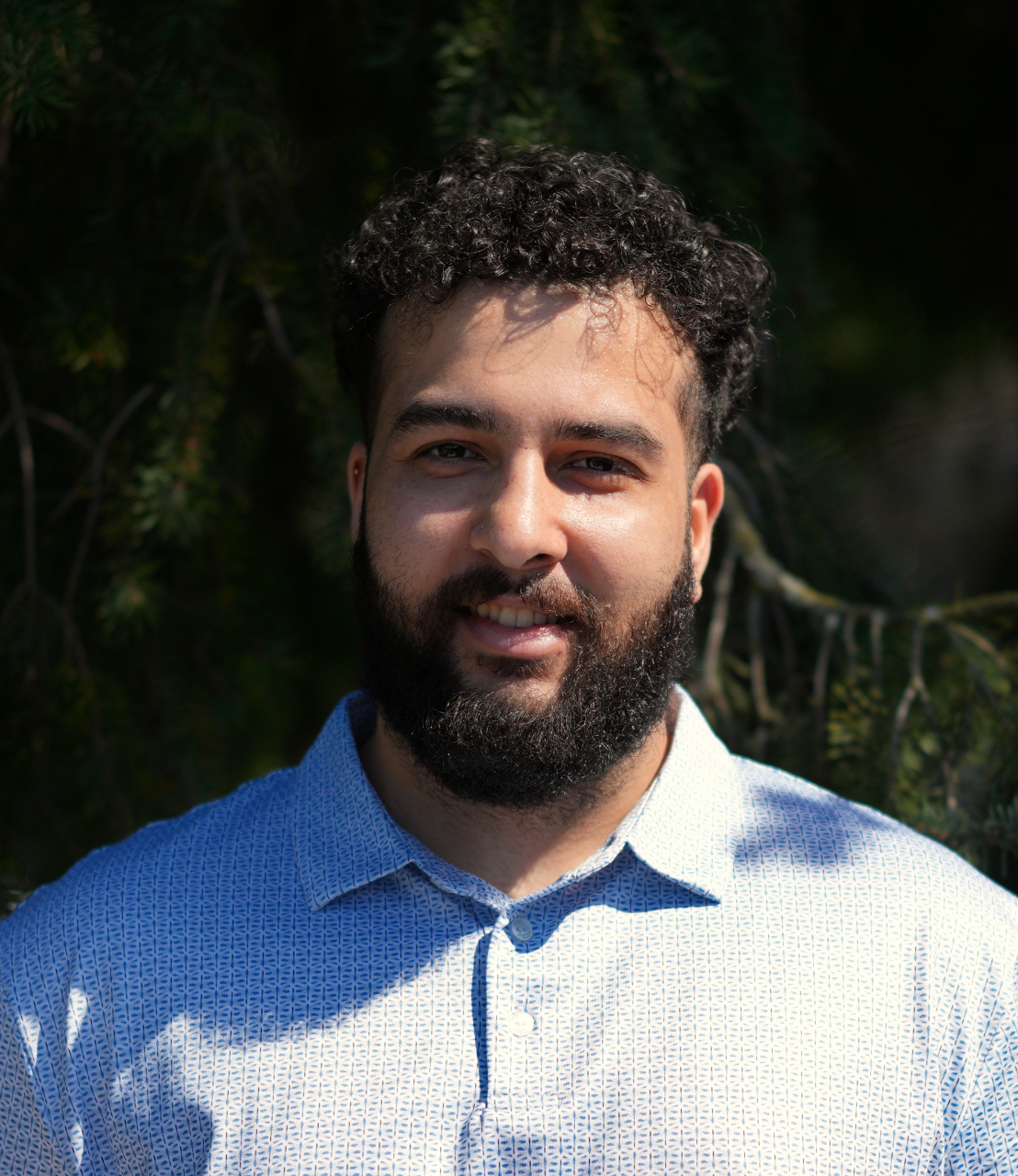
Portrait of Hartej Sehmby

Hartej Sehmby

MACP, BSN, RP (Qualifying)

Registered Psychotherapist (Qualifying)

Works with Adolescents ages 14 and older · Adults · Couples

Areas of support Anxiety · Stress · Depression · Burnout

View Profile

You do not have to wait until everything falls apart.

A free consultation is a low pressure place to begin. Tell us what has been feeling difficult and we will help you find an appropriate next step.